Osseointegration
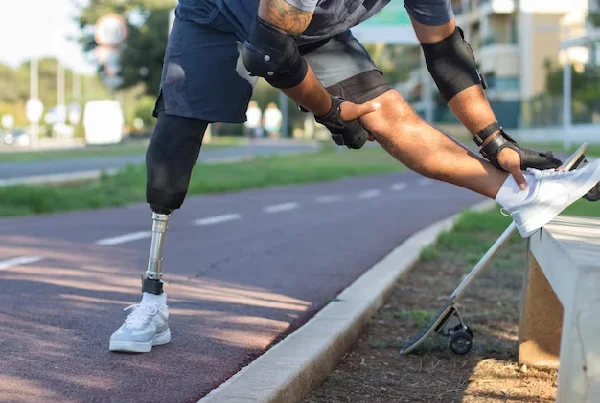
Osseointegration in the context of prosthetics involves the integration of an artificial limb directly with the patient's bone, creating a more direct and stable connection compared to traditional socket-based prostheses. This approach is known as osseointegrated prosthetics, and it has shown promising results in improving the comfort, function, and overall quality of life for amputees.
Here's how the osseointegration process is typically applied in prosthetics:
-
Implantation Surgery:
- A titanium implant is surgically placed into the remaining bone of the amputated limb. This implant has a connector protruding through the skin, which serves as an attachment point for the prosthetic limb.
-
Osseointegration:
- Over several weeks to months, the surrounding bone tissue grows and bonds with the surface of the titanium implant. This osseointegration creates a stable and direct connection between the bone and the implant.
-
Attachment of Prosthetic Limb:
- Once osseointegration is deemed successful, a prosthetic limb can be securely attached to the implanted connector. The direct connection eliminates the need for a socket that encases the residual limb, which is a common feature in traditional prostheses.
Benefits of Osseointegrated Prosthetics:
-
Improved Comfort:
- Traditional socket-based prostheses can cause discomfort, skin irritation, and pressure sores. Osseointegrated prosthetics eliminate these issues by providing a more natural and comfortable interface.
-
Enhanced Functionality:
- The direct bone-implant connection improves the transmission of forces and movements, resulting in more natural and efficient movement for the user. This can enhance the overall functionality and control of the prosthetic limb.
-
Reduced Energy Expenditure:
- Users of osseointegrated prosthetics often report reduced energy expenditure during activities, as the direct bone connection improves biomechanical efficiency.
-
Increased Range of Motion:
- The elimination of the socket allows for a greater range of motion, giving users more freedom in their movements.
-
Better Psychological Well-being:
- Osseointegrated prosthetics can contribute to improved psychological well-being for amputees, as the enhanced comfort and functionality often lead to increased satisfaction and confidence.
While osseointegrated prosthetics offer many advantages, it's essential to consider individual factors, including the patient's overall health, the level of amputation, and potential complications. As with any medical procedure, consultation with healthcare professionals is crucial to determine the most suitable approach for each individual case.