Upper Limb
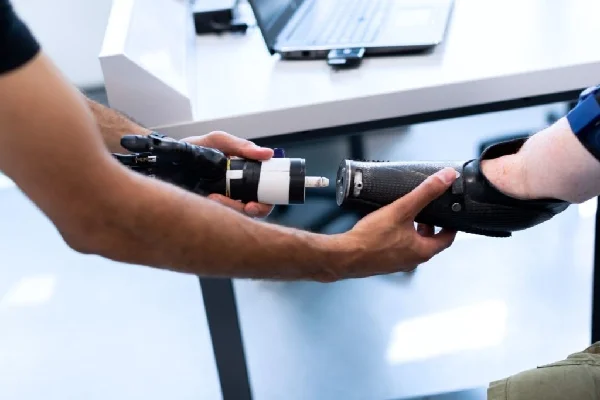
Prosthetic limbs for the upper limb, also known as upper limb prostheses, are artificial devices designed to replace or enhance the function of a missing or amputated arm, forearm, or hand. These prosthetic devices aim to restore some level of normalcy and functionality to individuals who have experienced limb loss. Here are some key aspects of upper limb prostheses:
-
Types of Upper Limb Prostheses:
- Body-Powered Prostheses: These prostheses are controlled by body movements, typically using cables and harness systems. Users can control the prosthetic limb by manipulating the residual limb or other body parts.
- Myoelectric Prostheses: These prostheses use electronic sensors placed on the skin to detect muscle contractions. The user can control the movements of the prosthetic limb by contracting specific muscles, which are then translated into electronic signals.
-
Components:
- Socket: The socket is the part of the prosthesis that attaches to the residual limb. It is custom-made to provide a secure and comfortable fit.
- Suspension System: This system helps secure the prosthesis to the residual limb. Common suspension methods include straps, sleeves, or suction.
- Control System: In myoelectric prostheses, the control system includes sensors that detect muscle activity and a microprocessor that translates these signals into movements.
-
Cosmesis:
- Many upper limb prostheses come with cosmesis options, which aim to make the prosthesis look natural and blend with the user's remaining limb.
-
Advancements in Technology:
- Ongoing developments in materials, sensors, and robotics contribute to the improvement of upper limb prostheses. This includes the integration of advanced materials for lightweight and durable designs, as well as the incorporation of advanced control systems for more intuitive movements.
-
Customization and Fit:
- Each upper limb prosthesis is customized to the individual's specific needs and the level of limb loss. Proper fitting and alignment are crucial for comfort and functionality.
-
Training and Rehabilitation:
- Users often undergo training and rehabilitation to adapt to the use of a prosthetic limb. This includes learning how to control the prosthesis, perform daily activities, and address any challenges that may arise.